Archaeologists and volunteers working with Grampus Heritage and Training have uncovered exciting new evidence about life on the western frontier of the Roman Empire during their latest excavation at Drumburgh Roman Fort (Congavata). The dig follows earlier investigations which revealed a previously unknown stone section of Hadrian’s Wall, a discovery that transformed our understanding of the site and highlighted the remarkable archaeological potential that remains hidden beneath Drumburgh.
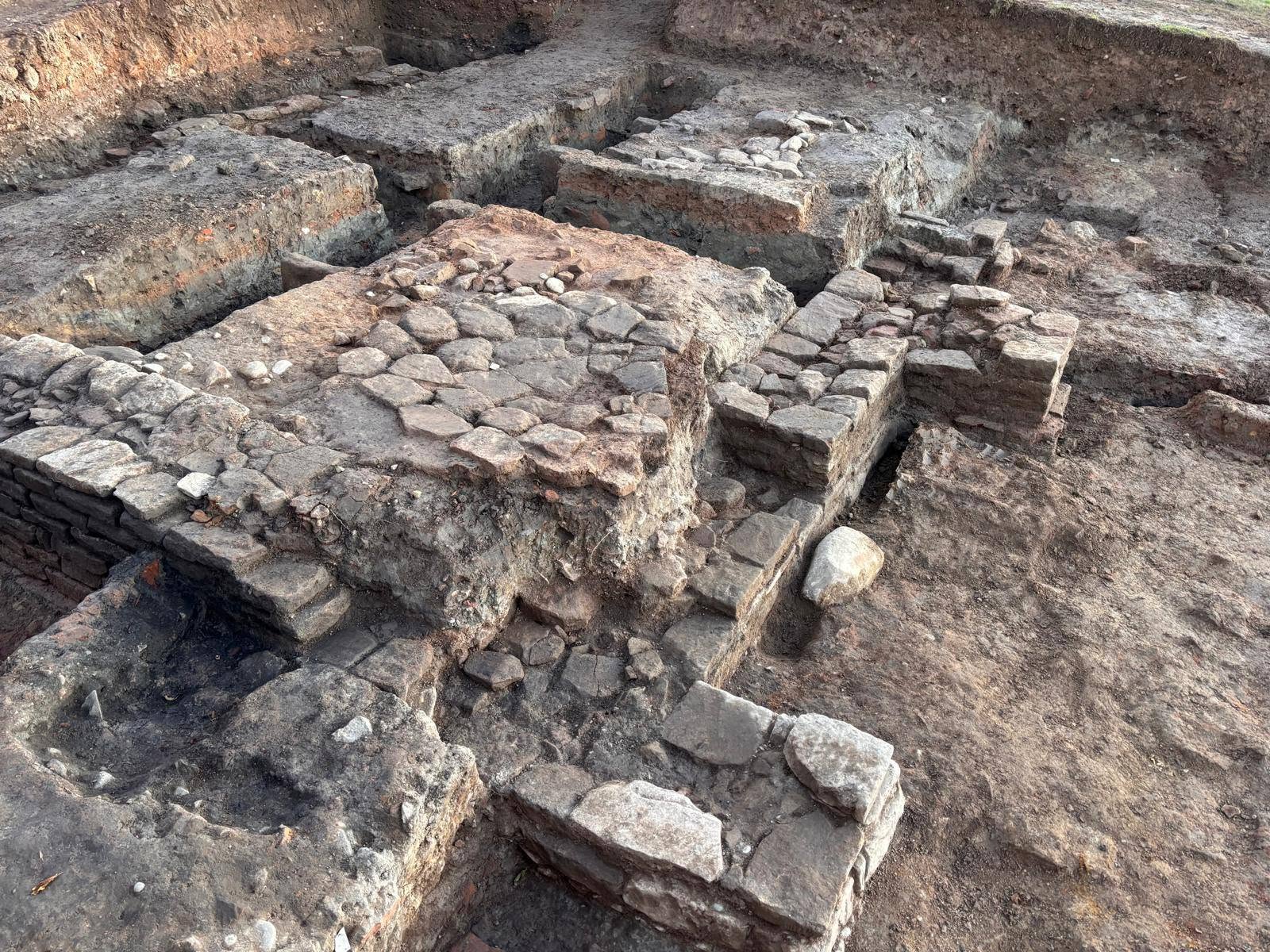
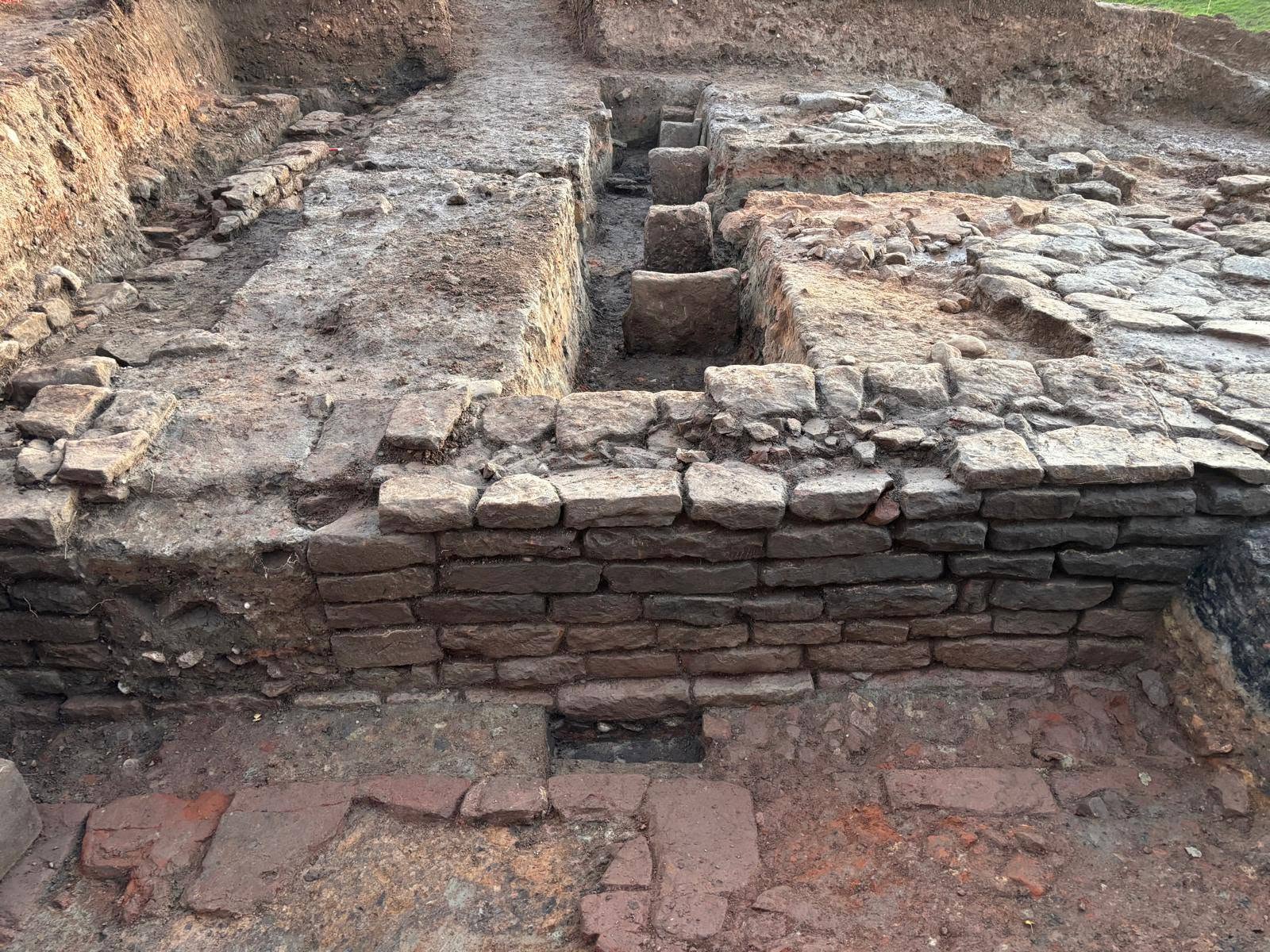
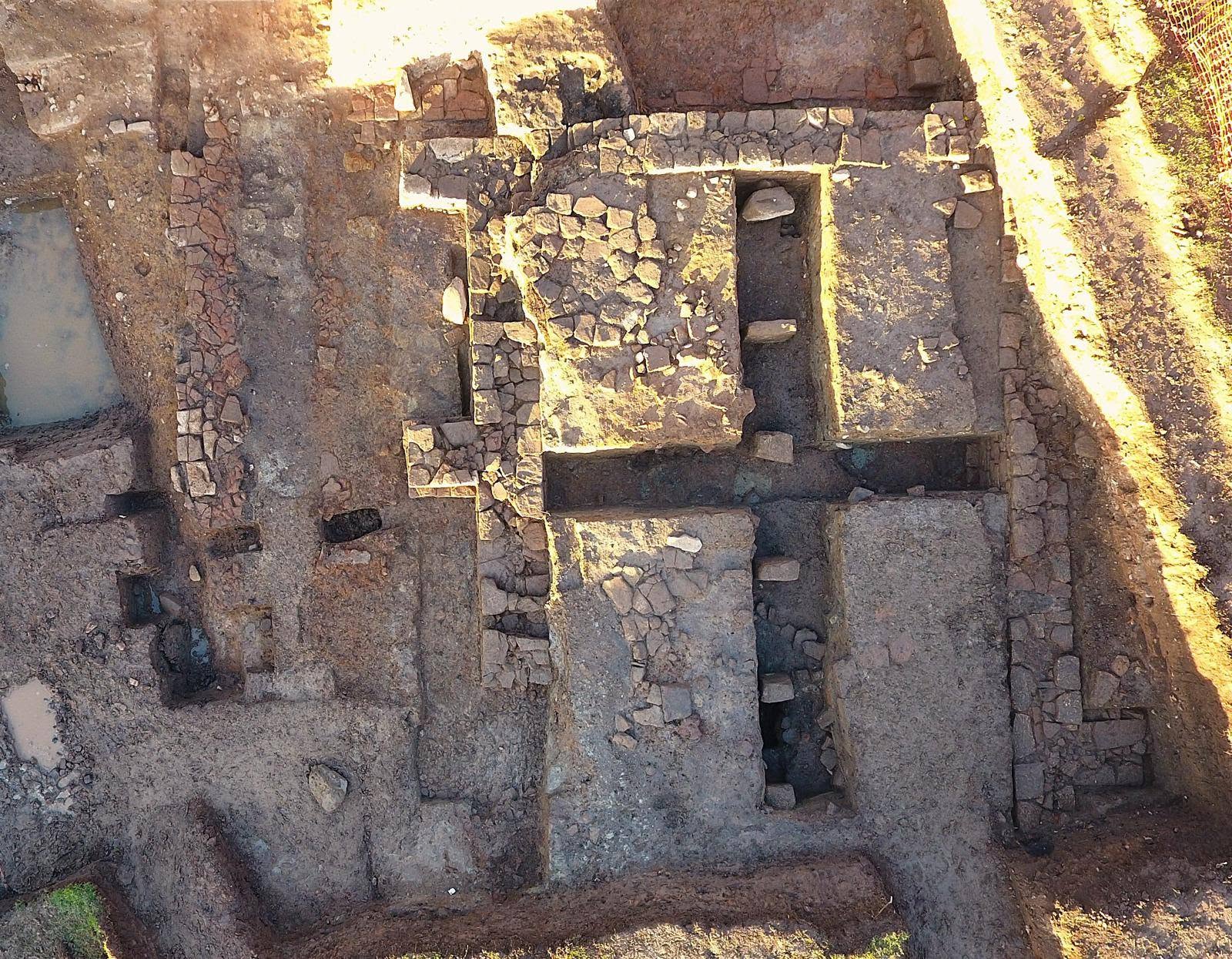
Among the most significant discoveries this year was the identification of what is believed to be a Roman granary, a building used to store food supplies for the fort’s garrison. Archaeologists have noted that aspects of the fort’s layout appear unusual when compared with the standard design seen at many forts along Hadrian’s Wall. Instead, some features show similarities with sites associated with the Antonine Wall in Scotland, raising intriguing questions about how the fort developed and how Roman frontier strategies may have evolved over time.
The excavation also produced Roman coins, which are unusual finds on this site, and a rare omega brooch, an artefact that would have been used to fasten clothing nearly 2,000 years ago. These finds provide valuable evidence of the people who lived and worked at the fort and offer a fascinating glimpse into everyday life on the Roman frontier.
Perhaps most intriguingly, evidence uncovered during the excavation suggests the site may have remained occupied after the end of Roman rule in Britain. A possible post-Roman stone floor was uncovered inside the granary. This potential post-Roman activity could help archaeologists better understand what happened in the centuries following the withdrawal of Roman administration.
The discoveries were made with the help of community volunteers who joined professional archaeologists on site. Located within the Solway Coast National Landscape and the Hadrian’s Wall World Heritage Site, Drumburgh Roman Fort remains one of the least explored forts on the western section of the Roman frontier. As analysis continues, archaeologists hope to uncover further evidence of the site’s Roman and post-Roman history.
This investigation was funded through the Solway Coast National Landscape’s Farming in Protected Landscapes (FiPL) programme.